You can spot a hidden water leak by watching for an unexplained jump in your water bill, stains on walls or ceilings, musty odors, and a water meter that moves when everything is off. Confirm it with a one-hour meter test: take a reading, shut off all water, and check again.
Key Points
- A water bill that jumps with no change in use is often the first sign of a hidden water leak.
- Stains on walls or ceilings, musty odors, and the sound of running water point to a hidden water leak behind the surface.
- The meter test confirms a leak: record the reading, shut off all water for about an hour, and check for movement.
- Food coloring in the toilet tank reveals a silent tank leak without any tools.
- Call a professional when you cannot find the source, because acoustic leak detection pinpoints most leaks without tearing into walls.
Why Does Early Leak Detection Save You Thousands?
Early leak detection saves you thousands because a hidden leak causes progressive, expensive damage the longer it goes unnoticed. Water seeps into walls, floors, and foundations, and by the time it is visible the repair is often major.
Catching a hidden water leak early protects your Gardnerville Ranchos home and prevents costly structural repairs and mold remediation. Regular attention to signs of moisture or staining lets you address problems before they escalate, and you save on your water bill too, since hidden leaks add up over time. Based on what we see across our Gardnerville Ranchos plumbing service area, being proactive is far cheaper than reacting. For leaks buried in walls or slabs, our acoustic leak detection pinpoints the source quickly and without unnecessary demolition.
What Are the Common Signs of a Hidden Water Leak?
The most common signs of a hidden water leak are a higher water bill, water stains on walls or ceilings, musty odors, the sound of running water when taps are off, and warm or cold spots on the floor. Knowing them helps you catch trouble before it spreads.
- Higher Water Bill: An unexplained increase with no change in usage is worth investigating.
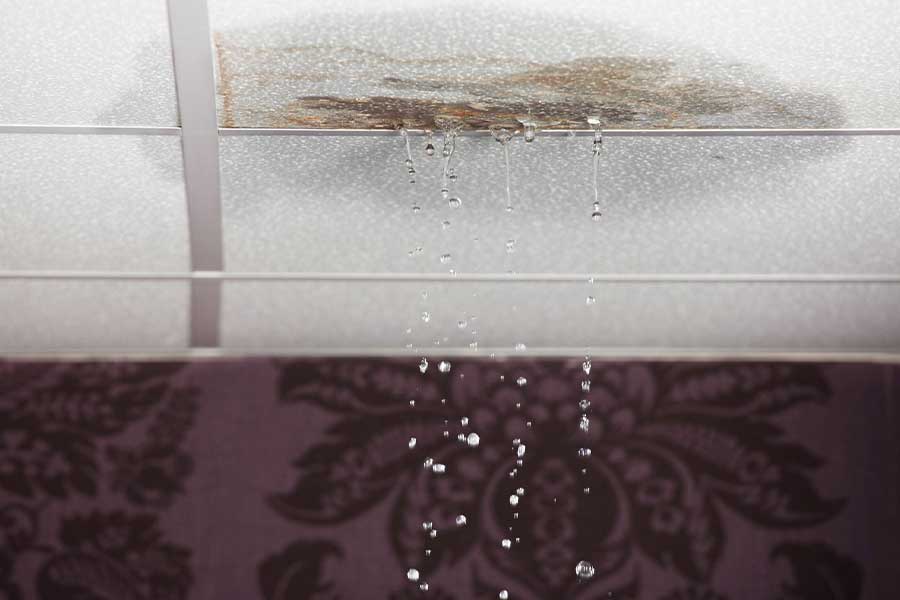
- Water Stains: Stains or discoloration on walls and ceilings point to moisture behind the surface.
- Musty Odors or Mold: These signal dampness in hidden areas.
- Running Water Sounds: The sound of running water when nothing is on is a clear red flag.
- Warm or Cold Floor Spots: Floors that feel unusually warm or cold can mean a leak beneath.
Left alone, these lead to costly repairs, which is why prompt pipe leak repair matters once a leak is found.
How Do You Use Your Water Meter to Find Leaks?
Use your water meter by taking a reading, shutting off all water in the home, waiting about an hour, and checking whether the reading changed. If it did, you likely have a hidden water leak.
- Locate your meter, usually near the street or in a basement, and take a reading.
- Turn off all water appliances and faucets.
- Wait roughly an hour, then read the meter again.
- Check for a change. A changed reading means water is escaping somewhere in your plumbing.
Many meters have a small leak indicator dial, so watch for movement while everything is off. If it spins, investigate further. Tracking your usage over time also helps you catch unusual spikes. The EPA’s Fix a Leak Week resources explain how to find and fix household leaks. If the meter moves, the leak could be in a fixture, a pipe, or the line running to your home, and our water line services cover that last case.
What DIY Techniques Help Identify a Hidden Water Leak?
Simple DIY checks include listening for drips, inspecting for stains, reviewing your water bill, feeling pipes for moisture, and using food coloring in the toilet tank. These help you catch a leak before it becomes a costly repair.
- Listen for Drips: A persistent drip in a quiet area often signals a leak.
- Check for Stains: Look for discoloration on walls or ceilings.
- Review Your Water Bill: An unexplained spike may reveal a hidden leak.
- Feel for Moisture: Run your hands along pipes and walls.
- Use Food Coloring: Add it to the toilet tank. If color seeps into the bowl without flushing, you have a leak.
These checks help, though some leaks hide where the senses cannot reach. If you cannot find the source, call the office and we will track it down.
What Should You Do Once You Find a Hidden Water Leak?
When you find a hidden water leak, shut off the water, limit the damage, and call a plumber. Hidden leaks create the constant moisture mold needs, so speed matters.
- Shut off the main water valve to stop the flow.
- Move belongings away from wet areas and dry the surface to limit damage.
- Photograph the damage so you have a record.
- Call a plumber to locate and repair the source before mold has time to grow.
When Should You Call Bighorn Plumbing for Help?
Call a professional when you suspect a hidden water leak, see significant water stains, an unexplained bill increase, or persistent musty odors, or when you cannot find the source. Some leaks require tools and experience to locate safely.
If you notice these signs, it is time to call us at Bighorn Plumbing. Leaks can cause severe damage if left unchecked, and our team diagnoses the issue quickly using advanced tools that detect leaks behind walls or under floors. With honest pricing and clear communication, you always know what is happening in your home. A real person answers our line 24/7, and we offer same-day plumbing across Northern Nevada. If you suspect a leak, schedule your appointment today and protect your peace of mind.
Frequently Asked Questions
How can I tell if I have a hidden water leak in Gardnerville Ranchos, NV?
The fastest check is the water meter test: record the reading, turn off all water for about an hour, and see if it changes. Combined with signs like a rising water bill, musty smells, or wall stains, a moving meter strongly suggests a hidden leak worth investigating.
How much water can a hidden leak waste?
Even a small hidden leak can waste hundreds of gallons a month, and a steady drip inside a wall can waste thousands over a season. That is why an unexplained jump in your water bill is one of the most reliable early warning signs.
Can a hidden leak cause mold in my home?
Yes. Hidden leaks create the constant moisture mold needs to grow, often inside walls or under floors where you cannot see it. Catching and repairing the leak early is how you prevent mold and the health issues that come with it.
Do you need to tear out walls to find a leak?
Not usually. With acoustic leak detection and other non-invasive tools, our team can pinpoint most leaks without cutting into walls, so any repair work is targeted rather than exploratory. That means less mess in your home and a faster path to a fix.