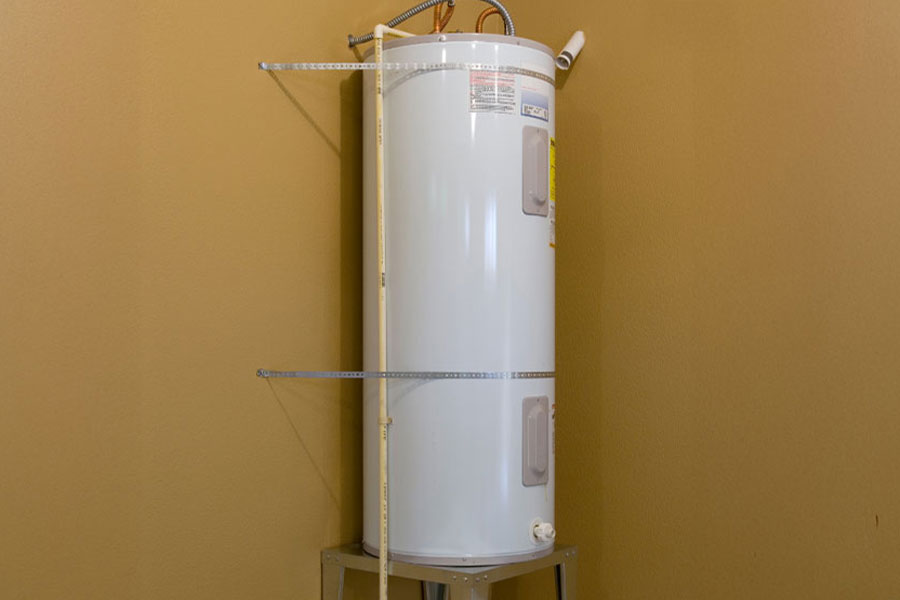

Replace your water heater when it passes 10 years old, the tank leaks, or repairs start repeating. A unit that only lost a thermostat or a heating element is worth fixing. One that is rusting from the inside is not. Here is how to tell which one you have.
Bighorn Plumbing is a family-owned Carson City shop. We install tank and tankless systems both, so the recommendation follows your house, and you get the options and the upfront price before any work starts.
Key Points
- Traditional tank water heaters last 8 to 12 years; tankless models can last 20 years or more with proper care.
- Replace your water heater once it passes 10 years, the tank leaks, or repairs keep recurring.
- Repair makes sense for a faulty thermostat, heating element, or pressure relief valve.
- Sediment from hard water is the biggest threat to efficiency and lifespan.
- Newer models run more efficiently, which lowers the monthly utility bill.
How Long Does a Water Heater Last?
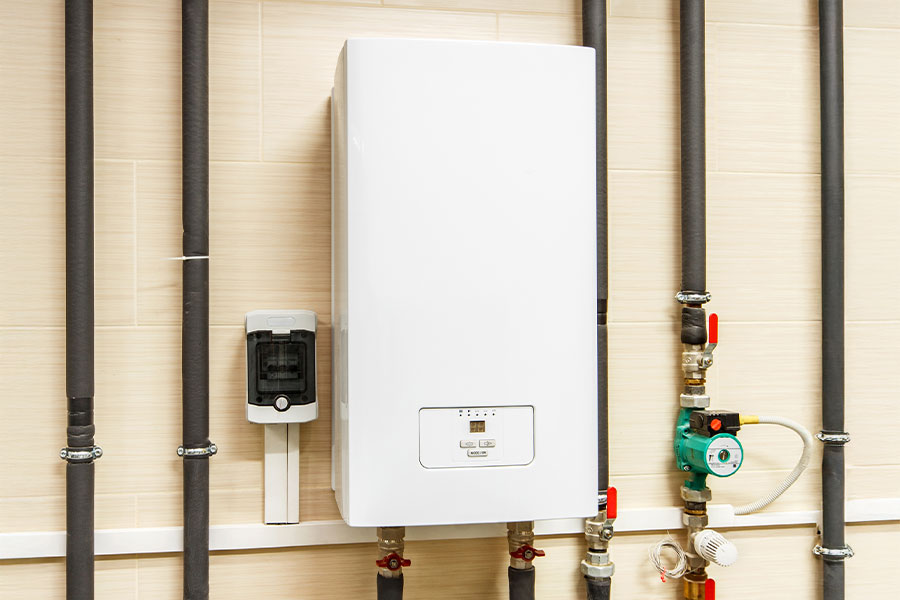
A traditional tank water heater lasts 8 to 12 years. A tankless model can last 20 years or more with proper care. Unit quality, water quality, and maintenance history all move those numbers.
Sediment buildup is the biggest threat to efficiency. Minerals from hard water settle at the bottom of the tank, cut usable capacity, and force the unit to work harder for the same result. Flushing the tank and inspecting the anode rod during regular water heater maintenance slows that down.
Carson City runs hard water, so sediment arrives faster here than in soft-water regions. Water softeners and filtration reduce the mineral load reaching the tank in the first place.
Once your system approaches the 10 year mark, start evaluating options. A professional can assess its condition and tell you whether water heater repair and replacement is the right call.
What Are the Warning Signs Your Water Heater Is Failing?
The five warning signs are no hot water, strange noises, rusty water, leaks around the tank, and rising energy bills. A failing heater rarely quits all at once, so these show up first.
- Lack of hot water. Showers turning cold faster than they used to means the unit is struggling to keep up.
- Strange noises. Rumbling or popping usually means sediment has hardened at the bottom of the tank.
- Rusty or discolored water. Corrosion inside the tank puts rust in your water and signals a failing unit.
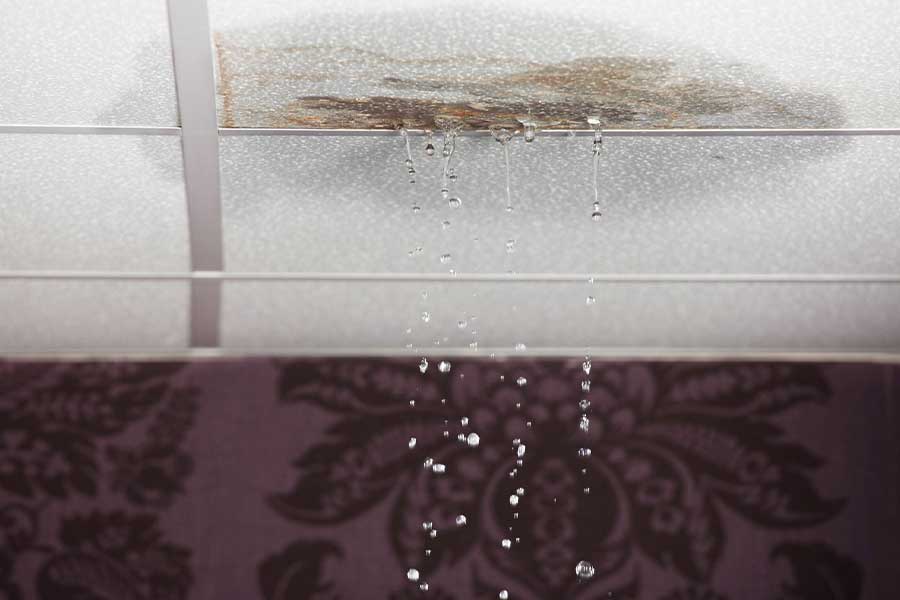
- Leaks around the tank. Even a small leak points to a deteriorating tank and can lead to major water damage.
- Rising energy bills. An aging heater loses efficiency and burns more energy for the same hot water.
If any of these show up, do not wait for the system to quit on you. A plumber can tell you whether a repair holds or whether it is time to replace your water heater.
Should You Repair or Replace Your Water Heater?
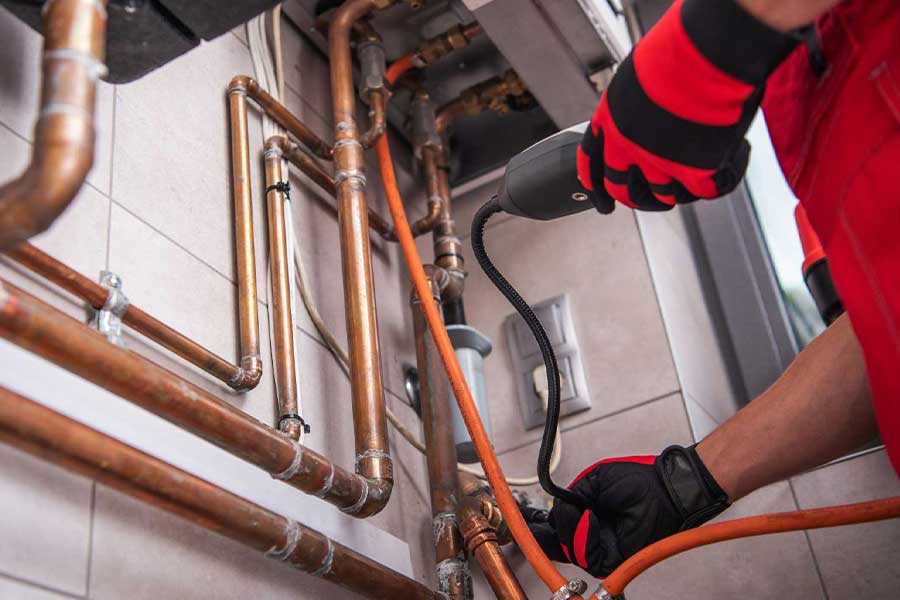
Repair makes sense when the problem is a single component. A faulty thermostat, heating element, or pressure relief valve can be swapped at relatively low cost, and the unit goes back to work.
Replacement is usually the better option once the heater is over 10 years old, the tank is leaking, or repairs keep recurring. Newer models run more efficiently, which pulls the monthly utility bill down.
The Department of Energy water heating guidance breaks down how each type of system uses energy, which is useful context before you commit.
Choosing the Right Replacement for Your Home
When you replace your water heater, capacity comes first. If the current system already struggles to meet demand, a properly sized unit prevents the shortages you have been living with.
Efficiency comes second. A modern system uses less power for the same output, and that difference compounds across the life of the unit.
If you are weighing a tank against going tankless, our tankless water heater services cover installation and replacement either way.
What to Expect When You Replace Your Water Heater
Knowing the sequence takes most of the stress out of the job.
- We shut off the water and the gas or power to the old unit and drain the tank.
- The old heater comes out, and we check the space for corrosion, venting problems, and connection issues.
- The new unit goes in and gets connected, with the venting and relief valve fitted correctly.
- We fill the tank, purge air from the lines, and fire it up.
- We confirm the temperature setting and walk you through the maintenance schedule for the new unit.
Talk Through Your Water Heater Options
If your heater is past 10 years, leaking, or costing you more every month, schedule your appointment today or call the office. We will assess the unit, tell you honestly whether a repair buys you real time, and price the replacement upfront before any work starts.