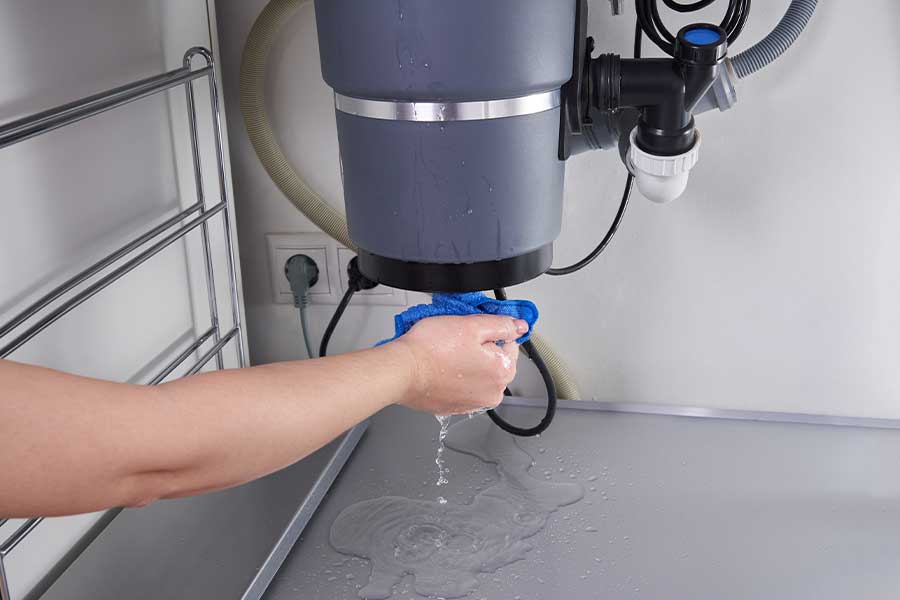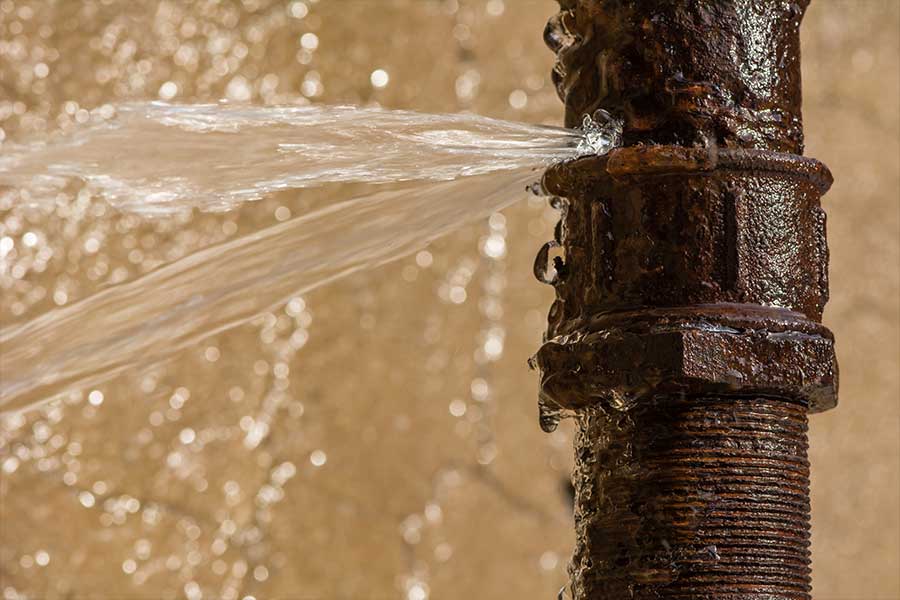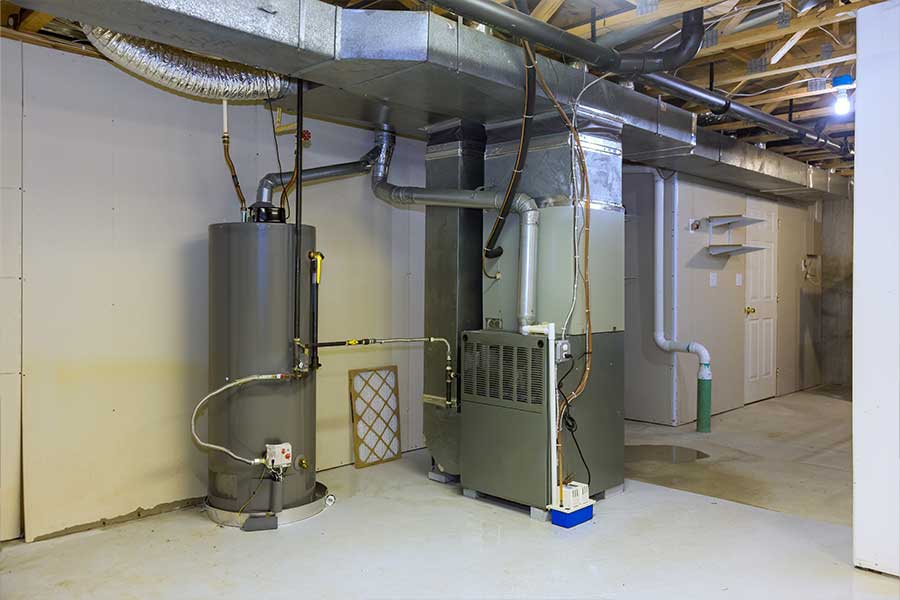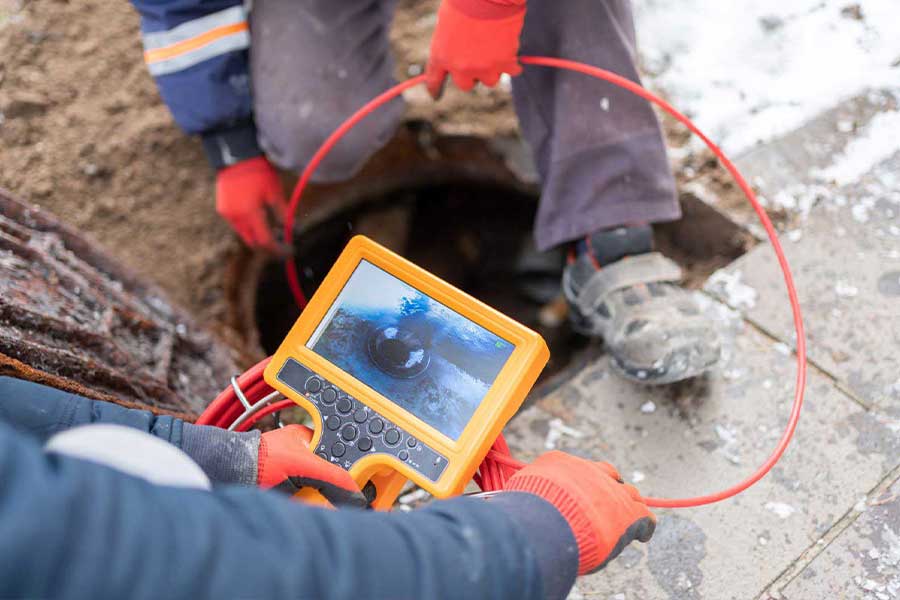
The five essentials of sump pump maintenance are inspecting the pump regularly, cleaning the basin, checking for blockages, testing operation, and listening for unusual noises. Doing these keeps your pump ready when you need it and prevents costly water damage. For Gardnerville Ranchos homeowners, regular upkeep is the difference between a dry home and a flooded one during heavy runoff.
Why Are Regular Sump Pump Inspections Important?
Regular sump pump inspections are important because they catch problems early, so the pump works when you need it most. A pump that fails during a storm is the worst time to discover a fault.
Inspections help ensure your sump pump functions effectively when it matters. By checking the pump’s operation and inspecting the discharge lines, you prevent costly water damage and protect your home. Consider the age of your pump, since older models need more frequent checks. If you hear unusual noises or notice reduced performance, act quickly. In our work throughout Gardnerville Ranchos, regular checks prevent the kind of failures that lead to expensive sump pump services calls during the worst possible weather.
How Do You Clean a Sump Pump System Effectively?
Clean a sump pump by unplugging it, clearing debris from the basin, inspecting the discharge pipe, and testing it with water. Regular cleaning keeps the system running smoothly.
First, unplug the pump and remove debris from the sump basin, using a wet-dry vacuum to clear dirt, leaves, and mud. Inspect the pump and discharge pipe for blockages or damage. If you notice mineral buildup, a mix of vinegar and water helps dissolve it, and a soft brush removes stubborn grime. Once everything is clean, reassemble and test by pouring water into the basin to confirm the pump activates. Keeping the whole system healthy is part of caring for your home across our Gardnerville Ranchos plumbing service area, where seasonal runoff makes a reliable sump pump essential.
What Are the Signs Your Sump Pump Needs Repair or Replacement?
The main warning signs are frequent cycling, strange noises, water left in the pit after running, and an age over 10 years. Recognizing them early prevents bigger problems.
Watch for these indicators:
- Frequent cycling: turning on and off repeatedly may mean the pump is struggling with water levels.
- Strange noises: grinding or rattling can signal mechanical issues.
- Water in the pit: water remaining after the pump runs suggests it is not working properly.
- Age: a pump over 10 years old is worth replacing even if it still seems to run.
If you notice these, consulting our pipe leak repair and pump specialists helps you address any underlying issues effectively.
How Do You Test a Sump Pump Effectively?
Test a sump pump by pouring a bucket of water into the pit and confirming the pump activates and drains it. This simple check tells you whether it will perform during heavy runoff.
Start by pouring water into the sump pit until it reaches the activation level; you should hear the pump turn on. If it does not, check the power source and the discharge line for clogs. Examine the float switch, which should move freely without sticking. If your pump has a backup battery, test that it kicks in when needed. Finally, listen for unusual noises during operation, since loud grinding or rattling indicates an issue. Regular testing, paired with timely pipe repair when needed, keeps your pump reliable during critical times.
When Should You Call a Professional for Sump Pump Repairs?
Call a professional when you see frequent cycling, hear strange noises, notice visible damage, or find the pump cannot keep up during heavy rain. These signs mean the problem needs expert attention.
Here is when to reach out:
- Frequent cycling: a pump that runs constantly or cycles on and off could be malfunctioning.
- Strange noises: grinding or rattling may indicate internal problems.
- Visible damage: cracks, rust, or leaks around the pump are clear repair signals.
- Inadequate performance: a pump that fails to remove water during heavy rain needs to be checked.
If any of these apply, schedule your appointment today, and we will make sure your Gardnerville Ranchos home stays protected.
Frequently Asked Questions
How often should I test my sump pump in Gardnerville Ranchos, NV?
Test your sump pump every three to four months, and always before the wet season when snowmelt and spring runoff increase groundwater. A quick bucket test takes only a few minutes and confirms the pump will work when you need it.
How long do sump pumps last?
Most sump pumps last about 7 to 10 years, depending on how often they run and how well they are maintained. If yours is past the decade mark, it is wise to plan for replacement even if it still seems to work.
Do I need a battery backup for my sump pump?
A battery backup is strongly recommended because sump pumps often fail during storms, exactly when the power goes out. A backup keeps the pump running during an outage, which is when the risk of flooding is highest.
Why does my sump pump keep running?
Constant running usually points to a stuck float switch, an undersized pump, a high water table, or a check valve problem. Because continuous cycling wears the pump out fast, it is worth having a professional diagnose the cause promptly.