A leaky faucet is most often caused by worn washers or O-rings, a corroded valve seat, a damaged cartridge, loose parts, or high water pressure. Identifying which one is at fault points you to the fix. For Reno homeowners, catching a drip early saves water and prevents the wear that turns a minor annoyance into a bigger plumbing problem.
What Causes a Leaky Faucet?
A leaky faucet is usually caused by worn washers and O-rings, a corroded valve seat, a damaged cartridge, loose fittings, or excessive water pressure. Pinpointing the cause is the first step to stopping the drip.
Worn-out washers and O-rings are common culprits, deteriorating over time in high-use faucets. The valve seat can corrode or collect mineral deposits, disrupting the seal, which is especially common in Reno, NV, given the region’s hard water. A damaged cartridge may fail to control flow properly, loose parts can sometimes be fixed with a simple tightening, and excessive water pressure can also cause leaks. Regular attention prevents faucet leaks and extends the life of your fixtures, and our faucet repair team can handle the ones that go beyond a quick fix.
What Tools Do You Need to Fix a Leaky Faucet?
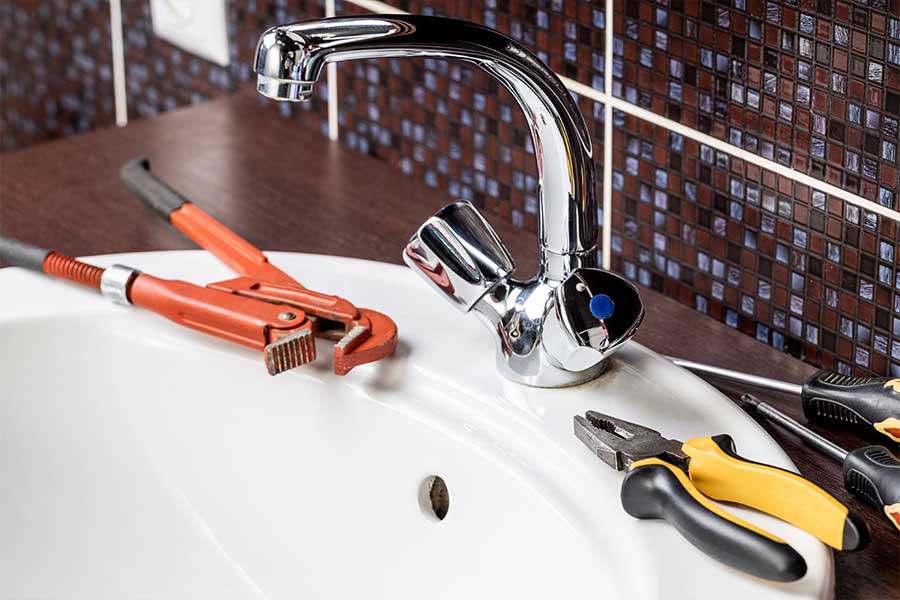
To fix a leaky faucet you need adjustable wrenches, pliers, flathead and Phillips screwdrivers, gloves, a bucket or towel, and replacement washers and O-rings. Having everything ready makes the job smoother.
Grab a set of adjustable wrenches and pliers to loosen and tighten nuts and fittings. A flathead and Phillips screwdriver are essential for removing handles and screws. Gloves keep your hands clean and protected, and a small bucket or towel catches excess water. Keeping replacement washers and O-rings on hand saves time during the repair. Timely repairs help prevent bigger issues, and our broader plumbing repairs service is there when a leak turns out to be more than a worn washer.
How Do You Fix a Leaky Faucet in Simple Steps?
Fix a leaky faucet by shutting off the water, removing the handle and cartridge or stem, replacing the worn washer or O-ring, and reassembling. It is a manageable job for most homeowners.
First, turn off the water supply to avoid a mess, then plug the drain to catch small parts. Use a wrench to remove the faucet handle by loosening the screw underneath. Take out the stem or cartridge, depending on the faucet type, and check the O-ring or washer for wear, replacing it if damaged. Reassemble everything in reverse order, tightening all screws properly, then turn the water back on and test. If leaks persist or you spot related issues, homeowners across our Reno plumbing service area can have our team assess any underlying problems.
What Common Faucet Repair Mistakes Should You Avoid?
The most common mistakes are skipping the water shutoff, not gathering parts first, ignoring the faucet type, replacing only one worn part, and rushing reassembly. Avoiding these makes for a lasting repair.
Skipping the water shutoff can turn a simple fix into a messy disaster. Gather all tools and parts before starting, so you are not scrambling midway. Identify your faucet type, since each style has specific parts and techniques. Inspect all components for wear, because replacing a single washer may not be enough if other parts are damaged. Consulting experienced fixture installation and repair experts can provide valuable insight. Finally, do not rush reassembly, since properly tightened screws and seated seals prevent future leaks.
When Is DIY Not Enough? Calling a Professional
DIY is not enough when the leak persists despite repairs, water pressure fluctuates, or you find unfamiliar parts inside the faucet. These point to a deeper issue best left to a professional.
Here are three signs it is time to call the pros:
- Persistent leaks: a drip that continues despite your best efforts may indicate a deeper plumbing problem.
- Water pressure changes: noticeable fluctuations could signal issues within your plumbing system.
- Unfamiliar parts: complex or unfamiliar components are safer left to a professional.
At Bighorn Plumbing, we address these promptly with efficient, reliable service. If the drip has you stumped, contact our team today and we will restore your peace of mind.
Frequently Asked Questions
Why is my faucet still dripping after I replaced the washer?
If a faucet still drips after a new washer, the valve seat is often corroded or the cartridge is worn, so the seal cannot fully close. Reno’s hard water accelerates valve-seat corrosion, so this is a common reason a simple washer swap does not solve the problem.
How much water does a dripping faucet waste?
A faucet dripping once per second can waste more than 3,000 gallons a year, which shows up on your water bill and strains local water resources. That is why even a slow, seemingly harmless drip is worth fixing promptly.
Is a leaky faucet an emergency?
A single dripping faucet is not an emergency, but it should be fixed soon to avoid wasted water and further wear. If the leak is spraying, you cannot shut it off, or water is pooling under a cabinet, that is more urgent and worth a professional call.
Can hard water in Reno cause faucet leaks?
Yes. Reno’s hard water leaves mineral deposits that corrode valve seats and stiffen O-rings and cartridges, all of which lead to leaks over time. A water softener reduces this buildup and helps your fixtures last longer.